Development Cycles
Quick Overview
A Development Cycle is the practical expression of the True North system.
It is a structured 5–6 day training block designed to develop skiing skill within the context of year-round athletic development, managed training load, and deliberate recovery.
Development Cycles are not sold as stand-alone experiences.
Participation is limited to active members of the club.
This is intentional.
We are not a ski school or a ski camp. We do not sell access to coaching by the day or the week. We work with athletes over time — aligning preparation, execution, and recovery so that progress is repeatable and cumulative, not temporary.
The role of the Development Cycle is to:
identify and prioritize the most important technical focus
develop and stabilize movement patterns
apply those patterns under appropriate conditions
and set up effective independent practice and continued development
All athletes receive the same on-snow coaching. What differs across membership tiers is the level of preparation, guidance, and integration before and after the cycle.
In Practice
How Development Cycles Work
Each cycle focuses on a small number of priorities that matter most for the athlete at that point in their development.
The objective is not to cover everything, but to:
identify the most important technical focus
build and stabilize movement patterns under appropriate conditions
apply those patterns progressively under increasing demand
prepare the athlete for effective independent practice
This work is done within a structure that protects learning quality by managing fatigue, controlling exposure, and allowing time for consolidation.
Structure and Environment
A typical Development Cycle includes approximately 25 hours of on-snow coaching delivered over 5–6 days, supported by gym sessions, workshops, and guided reflection.
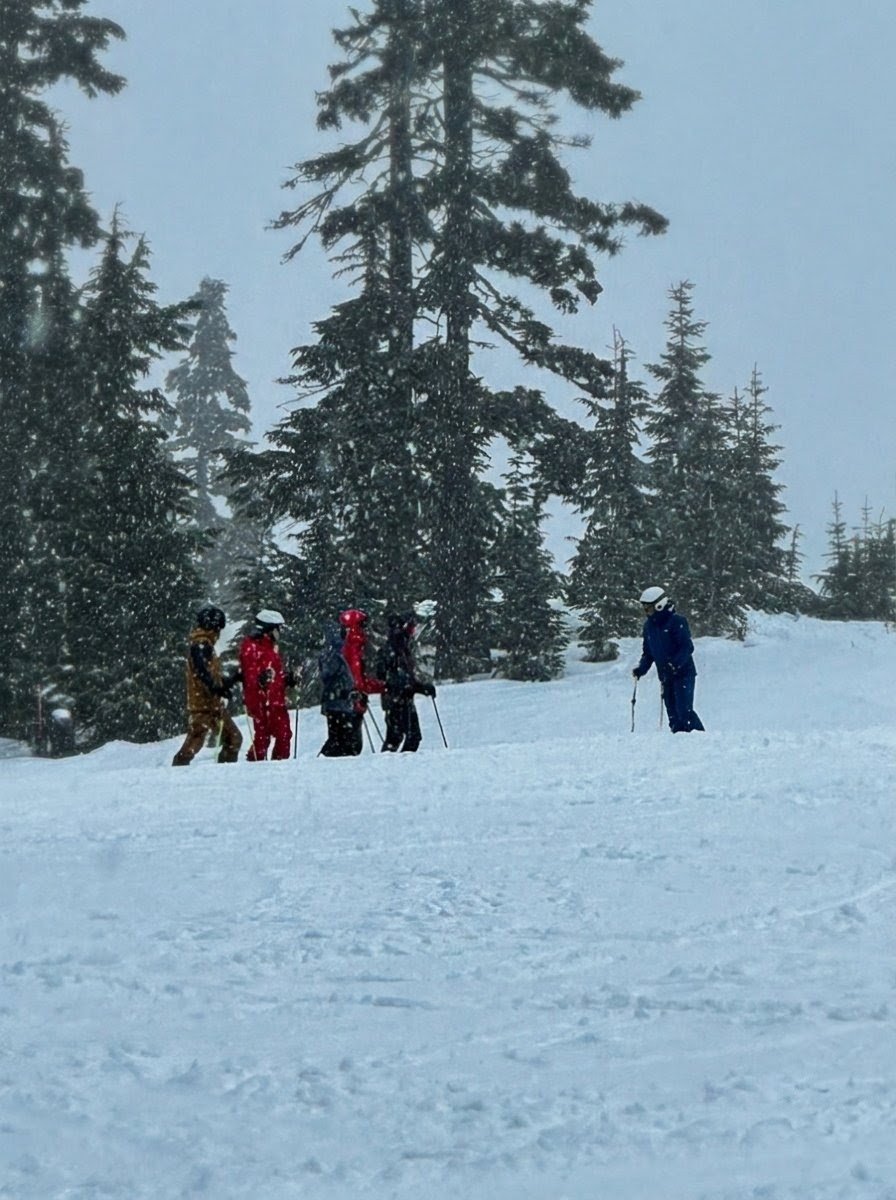
Cohorts are intentionally small (maximum six athletes).
Depending on group size:
1–3 athletes train with one coach
4–6 athletes are split into smaller working groups with two coaches
This structure allows for:
focused coaching when needed
deliberate practice between inputs
and sufficient space for learning to occur without overload
At times, athletes may work independently or in small groups while coaches direct attention elsewhere. This is intentional and supports skill acquisition, not just instruction.
How Development Cycles Fit Into the Larger System
A single Development Cycle can be valuable on its own.
However, meaningful and lasting progress typically comes from repeated exposure over time.
Athletes may choose to:
participate in a single cycle
complete back-to-back cycles (when capacity allows)
return for additional cycles later in the season or in future seasons
Between cycles, progress depends on how well training load is managed and how effectively recovery and consolidation are respected.
Each return to a Development Cycle should build on a higher baseline — technically and physically.
What Athletes Leave With
At the end of a Development Cycle, athletes have clear direction on:
what to practice
what to avoid
what is not yet ready to be trained
and how to approach their next phase of development
This clarity allows training outside coached sessions to be more effective, and future cycles to build efficiently on prior work.

How Learning Is Structured
Development Cycles are built around phases of learning rather than continuous instruction.
Athletes move through:
focused development, where new movement patterns are introduced and clarified
integration, where those patterns are applied under gradually increasing speed, terrain, and pressure
consolidation, where both technical changes and physical adaptations are allowed to stabilize
Fatigue is managed throughout. When movement quality or perception degrades, learning is no longer productive. Load is adjusted accordingly.
Athlete Readiness and Responsibility
Development Cycles assume that athletes arrive with sufficient fitness, durability, and recovery capacity to handle consecutive training days.
During the ski season, fitness is not built from scratch — it is maintained and supported so that skill development can occur consistently and safely.
Progress depends on:
physical readiness
ability to manage effort across multiple days
willingness to engage in deliberate practice
and judgment around recovery
Coaches provide direction and feedback. Athletes are responsible for execution.